

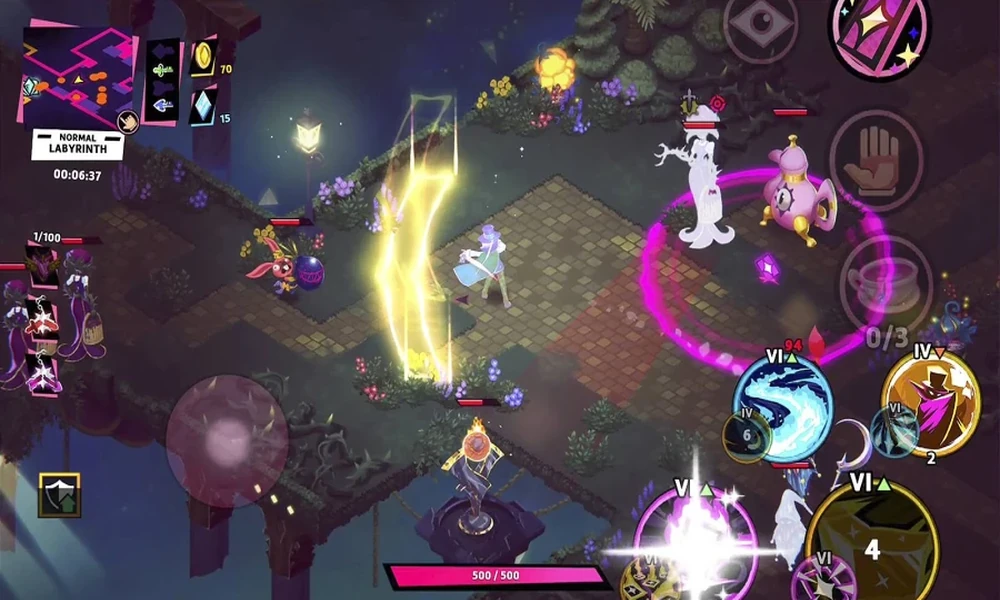
Collecting characters is exciting, but developing all of them at once can spread your resources across too many unfinished plans. A more manageable approach begins with the team you actually enjoy using. Identify the activities you want that team to handle, then examine what prevents it from doing so comfortably. The next useful upgrade should address a real limitation rather than simply increase a visible number.
Understand each character’s role before choosing investments. Some provide damage, while others offer protection, recovery, or support, depending on the game’s systems. Read their current descriptions and observe what happens during play. A character can be valuable without appearing at the top of every damage comparison. The relevant question is how their contribution helps the whole team perform the activity you selected.
Look for a bottleneck that appears repeatedly. You may struggle to survive long enough to finish a challenge, or find that your strongest ability is unavailable when needed. Describe the problem precisely. This makes it easier to compare upgrades that might solve it. Spending on an unrelated strength can leave the original issue unchanged, even though the team looks more developed on paper.
When reading GEN SPOT alongside other gaming material, keep a record of the assumptions behind any suggested build. Advice may depend on particular equipment, teammates, or combat difficulty settings. Compare those assumptions with your own account before copying the result. A recommendation that works well for another player may require adjustments when you have different resources or prefer a different rhythm of play.
Prioritize improvements with a clear purpose. Estimate what each option requires and whether the result will help several activities you enjoy. Avoid presenting uncertain outcomes to yourself as guaranteed improvements. If possible, test a smaller change first. Trying another team arrangement or adjusting the order of actions can reveal whether the underlying issue is preparation, execution, or a genuine lack of development.
Keep some flexibility in the plan. Discovering a new favorite character does not mean every previous investment was wasted. Consider how the existing team could support the newcomer and which resources can wait. A development plan should guide your choices while allowing your interests to change. It becomes less useful when following it feels more important than enjoying the characters themselves.
Track progress through actual play. Repeat a familiar activity after a meaningful upgrade and notice what changed. Perhaps the team handles mistakes more comfortably or finishes with fewer interruptions. Those observations tell you more than comparing a single number without context. Keep the comparison fair by noting other changes that might affect the result, including difficulty settings or a different team member.
Build toward a team you understand, can maintain, and want to keep playing. Once its main problems are manageable, expanding your options becomes easier. You can develop another character with a clearer purpose and fewer unfinished demands competing for attention. Thoughtful investment turns a collection into a set of useful choices, with each upgrade connected to an experience you personally enjoy.
