

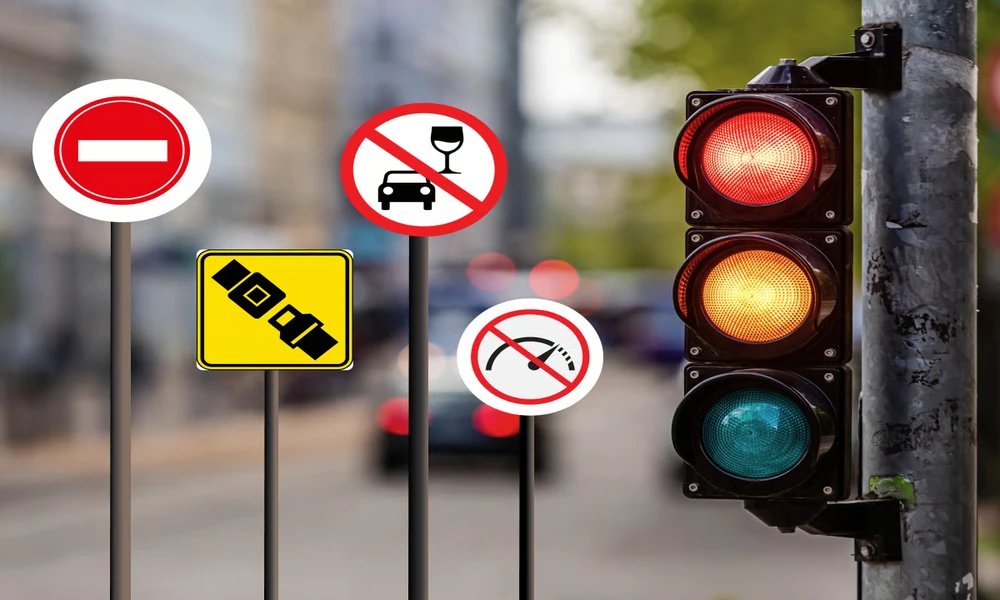
When a regulatory sign is installed in the wrong place or at the wrong height, the result can be more than confusion for drivers; it can lead to liability headaches for municipalities and serious safety risks for everyone on the road. In cities like Toronto and across Ontario, strict municipal standards exist to prevent these hazards, but true compliance demands more than just following a checklist.
The Crucial Role of Regulatory Sign Compliance in Municipal Safety
Municipal roadways are a tapestry of intersecting rules, traffic flows, and human behaviors. Regulatory signs, such as speed limits, stop signs, and turn restrictions, are the primary tools for communicating legal requirements to drivers. For these signs to be effective, their placement and installation must align precisely with local bylaws and the recommendations of traffic studies. The consequences of cutting corners are real: even a single poorly placed sign can result in increased collisions, litigation, and eroded public trust.
Fines, lawsuits, and costly do-overs are common outcomes when municipalities overlook the nuanced requirements set out in documents like the Ontario Traffic Manual (OTM) and the Ontario Provincial Standards Specifications (OPSS). In one Ontario case, a stop sign installed a few feet too far from an intersection was cited as a contributing factor in a serious crash. The municipality was held partially liable, proof that attention to detail matters.
Planning and Research: Setting the Foundation for Compliance
The first step in any regulatory sign project is research. Traffic studies and careful site assessments reveal where signage is required and how it should be positioned to maximize driver visibility and compliance. These studies take into account road geometry, sightlines, speed data, and pedestrian activity.
Aligning sign placement with the latest traffic authority guidelines isn’t negotiable. For example, a Toronto neighborhood study resulted in the relocation of multiple speed limit signs to ensure drivers had enough time to see and obey the new limits before entering a high-risk school zone. The result? A measurable drop in speeding incidents and greater satisfaction among residents.
Installation Best Practices for Regulatory Signs
Getting the right sign in the right place is only half the battle. Proper installation requires verifying heights, setbacks, and orientations to ensure each sign is immediately visible and legible to approaching drivers. Crews use specialized tools to measure vertical and horizontal distances, ensuring compliance with municipal and provincial specifications.
For example, when installing a stop sign, it’s not enough to secure it to a post. Installers must measure the setback from the edge of the travelled way, confirm the mounting height meets the minimum (usually around 2.1 meters in urban areas), and face the sign at an angle that maximizes visibility without causing glare from headlights or sunlight. This level of care is exemplified by Salus Traffic sign installation, whose teams document every step with photos, coordinates, and as-built records to guarantee compliance.
Temporary vs. Permanent Sign Installations: Methods and Materials
Work zones require a flexible approach. Temporary installations often rely on portable bases, roll-up signs, or driven posts designed for easy relocation. These materials must withstand wind, rain, and road spray while maintaining stability and legibility.
Permanent signs, by contrast, need deep-set posts, anti-twist hardware, and materials engineered to resist Ontario’s notorious freeze-thaw cycles and salt exposure. During a multi-year highway reconstruction in the GTA, crews faced the challenge of ensuring temporary detour signage was both visible and stable across multiple winter seasons, a task demanding regular checks and rapid responses to damaged or displaced signs.
Documentation, Quality Control, and Maintenance
Precision doesn’t end at installation. Thorough documentation, including as-built records, geo-tagged photographs, and location coordinates, serves as a vital reference for future maintenance and legal defense. Routine inspections uncover faded, damaged, or missing signs, prompting swift replacement to keep roads safe and legally compliant.
One municipal maintenance program credited its success to a proactive inspection schedule, supported by detailed installation records. The result: near-zero liability incidents and consistent public satisfaction, even after major storms.
Navigating Municipal and Provincial Standards: Staying Certified and Compliant
The regulatory landscape in Ontario is governed by the OTM, OPSS, and an array of municipal standards. Installers must be trained and certified, both in technical requirements and workplace safety. Ongoing education ensures crews can adapt to evolving guidelines, while regular audits catch compliance gaps before they turn into costly problems.
On a recent LRT corridor project, unexpected conflicts between municipal requirements and provincial regulations forced rapid adjustments in sign placement and documentation protocols. The solution lay in open communication, on-the-fly training, and thorough recordkeeping.
Collaborative Project Management: Working with Municipalities and Contractors
Effective sign installation relies on collaboration among contractors, traffic engineers, and municipal authorities. Traffic control plans, permit acquisitions, and field adjustments all demand clear communication. A new subdivision in southern Ontario showcased this approach: planners, construction crews, and municipal inspectors worked side by side to ensure that every regulatory sign was placed according to both the approved design and real-world field conditions.
Future Trends and Innovations in Regulatory Signage Compliance
Technology is changing the game. Advances in GPS mapping, digital documentation, and smart signage are making it easier to monitor compliance and respond to issues in real time. The adoption of connected, sensor-enabled signs may soon allow municipalities to detect and resolve visibility problems or sign damage before drivers even notice.
As cities grow and traffic patterns shift, staying ahead of compliance challenges will demand both technical expertise and a willingness to embrace new tools. The safest roads are those where every sign speaks not just with authority but with accuracy, precision, and care.
