

Achieve maximum energy efficiency with your insulation by filling all gaps, avoiding compression, sealing holes in framing, and implementing other expert tips.
1. Cut Fiberglass Batts to Exact Widths
Insulating your walls with fiberglass insulation may seem straightforward, especially when they’re open, but it still requires careful attention to detail to maximize its effectiveness. Each gap and compressed batt can create a pathway for heat or cold to escape.
Ensure an exact fit by measuring and cutting the fiberglass batt with precision. Add approximately 1/4 inch to the measurement for a snug fit. Utilize a 4- to 6-inch-wide board or strip of plywood as a straightedge to guide your utility knife. Position the edge of the board correctly, compress the insulation, and cut it using a sharp utility knife. Placing a scrap of plywood under the batt will protect finished floors and prevent the blade from dulling on concrete.
2. Avoid Stuffing
Avoid cramming full-width batts into narrow spaces. Crumpling batts to fit such areas can create uninsulated air pockets, reducing the insulation’s effectiveness as packed insulation typically has a lower R-value.
3. Wear Protective Equipment
Wear protective gear to shield your skin, eyes, and lungs while working with fiberglass. Consider wearing a disposable coverall, available at paint stores and home centers, especially if you’re handling a significant amount.
Goggles, gloves, a dust mask, a cap, and long-sleeved clothing provide protection against fiberglass irritation.
4. Seal Narrow Gaps with Foam
Use expanding spray foam to seal narrow gaps around window and door jambs. The primary objective of the spray foam is to seal the area around the window, preventing air infiltration. Ensure to use foam labeled for window and door insulation, preferably the ‘minimal-expanding’ type to minimize the risk of warping the jamb. If there’s still space around the window after the foam cures, lightly fill the remaining gap with strips of fiberglass insulation.
5. Notch Batts Around Electrical Boxes
To ensure a snug fit around electrical boxes, cut notches in batts. Airtight boxes typically have gaskets that seal against the drywall.
After positioning the batt, use scissors to snip around the box. Tuck the cut-out plug of insulation behind the box. Avoid wrapping fiberglass batts around electrical boxes or stuffing full batts behind them, as this can create gaps and air convection routes around the box.
6. Split Batts Around Cables and Pipes
Split the batts to accommodate wires and pipes for optimal insulation effectiveness. Fiberglass batts feature a vertical weave that allows easy tearing for insulating around electrical cables.
7. Avoid Stuffing Batts Behind Pipes and Cables
Avoid tucking full-thickness batts behind pipes and cables. Compressing the fiberglass reduces its insulating effectiveness and leads to voids between the insulation and the drywall.
8. Plug Holes in Top and Bottom Plates
Seal holes in the top and bottom plates using expanding spray foam. Even minor openings can allow significant air leakage. Ensure gaps around wires, pipes, or ducts are properly sealed. These gaps can serve as pathways for warm interior air to escape into the attic, resulting in energy wastage and potential attic condensation or ice dams in colder climates.
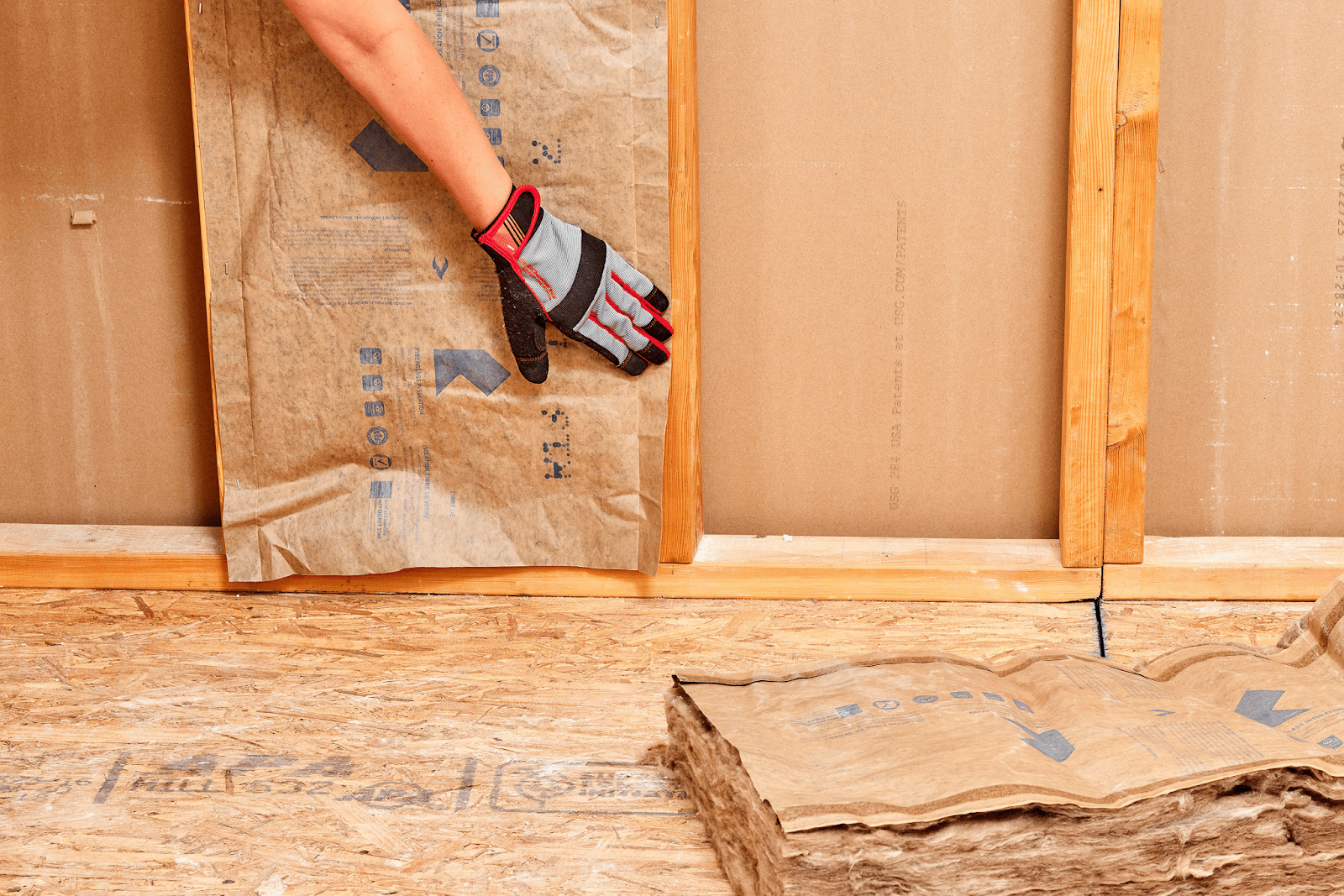
9. Avoid Paper-Faced Insulation Where Possible
Avoid purchasing paper-faced insulation for standard wall insulating tasks. The paper facing complicates cutting the batts and hinders the creation of a tight vapor retarder.
10. Buy Friction-Fit Batts
Purchase unfaced friction-fit batts and seal the walls using a 4-mil poly vapor retarder. Seal the gap between the bottom plate of the wall and the floor with acoustical sealant or caulk, pressing the poly into the sealant. Utilize special airtight electrical boxes or seal the poly to the electrical box with acoustical sealant. Finally, tape the seams in the poly with sheathing tape.
