

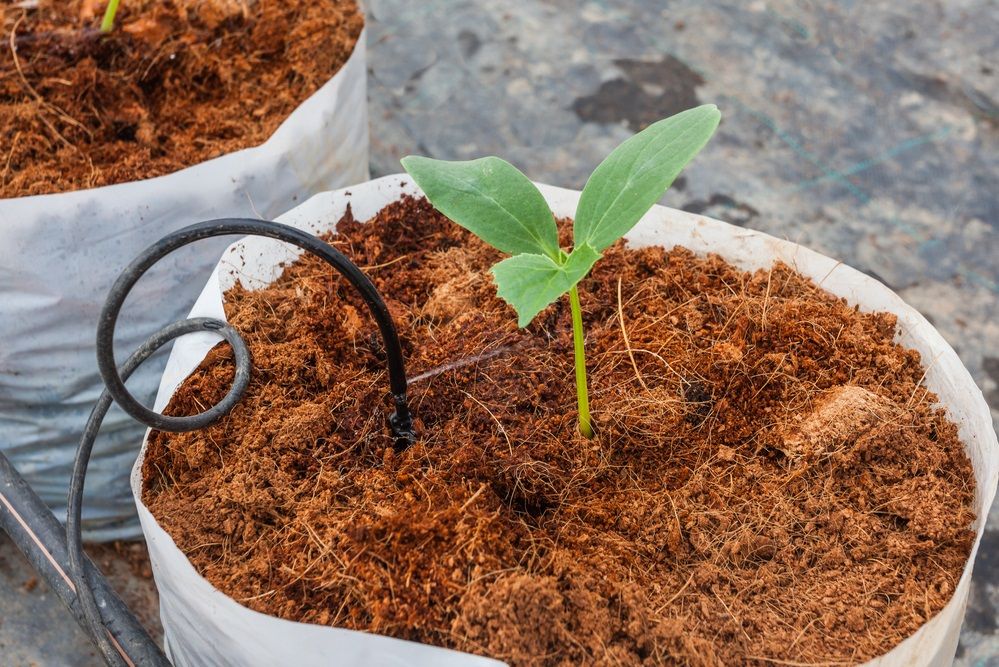
What is Coco Peat?
Coco peat, also known as coir fiber, is a versatile and sustainable growing medium that can be used for a wide range of plants, from vegetables and herbs to flowers and succulents. Made from the husks of coconuts, it is a renewable resource that is both lightweight and easy to handle. In this blog post, we will explore how to use coco peat for plants, including the benefits of using it, the different forms it comes in, and tips for getting the best results.
Preparing and Using Methods of Coco Peat
Preparing coco peat block :The first step in using coco peat is to prepare it. Coco peat is typically sold in compressed blocks, so it needs to be rehydrated before use. To do this, simply soak the block in water for 15-20 minutes, or until it expands to its full size. Once it’s fully hydrated, you can fluff it up with your hands or a fork to break up any clumps.
Mixing with Soil: Coco peat block can be mixed with soil to improve its water-holding capacity and aeration. A ratio of 1:1 (soil to coco peat) is recommended, but this can be adjusted depending on the specific needs of your plants. When mixing coco peat with soil, it’s important to use a high-quality soil that’s free of weed seeds and pathogens. You should also add a slow-release fertilizer to the mix to provide your plants with the necessary nutrients.
Using as a Seed Starter: Coco peat is an excellent medium for starting seeds, as it holds moisture well and provides good drainage. Simply fill seed trays or pots with the hydrated coco peat, plant your seeds, and keep them moist. As the seeds germinate and begin to grow, they’ll need more water and nutrients, so be sure to monitor the moisture level and fertilize as needed.
Creating a Potting Mix: Coco peat can also be used as a standalone growing medium for potted plants. To create a potting mix, simply mix the hydrated coco peat with perlite or vermiculite for added drainage. You can also add a slow-release fertilizer to the mix to provide your plants with the necessary nutrients.
Watering: Coco peat holds water well, but it’s also porous, which means that it drains easily. This is good for preventing root rot, but it also means that you’ll need to check the moisture level frequently and water as needed.In conclusion, coco peat is a versatile and sustainable growing medium that can be used for a wide range of plants.
We need to carefully select our coco peat suppliers based on their commitment to ethical and eco-friendly practices.
Advantage of Using Coco Peat for Plants
Renewable Resource: As mentioned earlier, coco peat is made from coconut husks, which are a renewable resource. This means that it is a more sustainable option than peat moss, which is a non-renewable resource that is often harvested from peat bogs.
Improved Drainage: Coco peat has excellent drainage properties, which means that it can prevent water logging and promote healthy root growth. This is especially beneficial for plants that prefer well-draining soil, such as succulents and cacti.
High Water Holding Capacity: Despite its excellent drainage properties, coco peat also has a high water holding capacity. This means that it can retain water and nutrients for a longer period of time, which can be beneficial for plants that require consistent moisture levels, such as tomatoes and peppers.
Ph Neutral: Coco peat is pH neutral, which means that it will not affect the acidity or alkalinity of the soil. This can be beneficial for plants that have specific pH requirements, such as blueberries, which prefer acidic soil.
Lightweight and Easy to Handle: Coco peat is lightweight and easy to handle, which makes it easy to use and transport. This can be beneficial for gardeners who have mobility issues or for those who want to use it in container gardens or raised beds.
Different Forms of Coco Peat
Coco peat comes in a few different forms, including blocks, bricks, and loose fibers..
Blocks: Coco peat blocks are compressed blocks of coco peat that are easy to use and transport. They are also the most popular form of coco peat. To use them, simply add water and wait for the block to expand.
Bricks: Coco peat bricks are similar to blocks, but they are smaller and more compact. They are also easy to use and transport, but they may not expand as much as blocks.
Loose Fibers: Coco peat loose fibers are the raw form of coco peat. They are not compressed and may not be as easy to transport as blocks or bricks. However, they are the most versatile form of coco peat and can be used in a variety of ways, such as mixing it with other soil or potting mix or using it as a mulch.
Tips for Using Coco Peat for Plants
Always pre-soak coco peat in water before using it.It also helps to release any dust or debris that may be present.
Be sure to mix coco peat with other soil or potting mix when using it for plants. This will help to provide the necessary nutrients and minerals that plants need to thrive.
Use coco peat in well-draining containers or raised beds. Make sure to use a good quality coco peat that is free from any chemical residue or pathogens.
